How London plans to reinvent itself through the new London Growth Plan

The Savills Blog

Bath's growth challenge: housing delivery in a World Heritage Site

Few cities in the UK enjoy the international prestige of Bath. Famous for its Roman Baths, Georgian architecture and distinctive setting within the surrounding hills, Bath holds the rare distinction of being the UK's only entire city designated as a UNESCO World Heritage Site.

But a growing debate has emerged over whether the very designation that protects Bath's heritage could also be limiting its future.

Why has Bath’s UNESCO designation sparked debate?

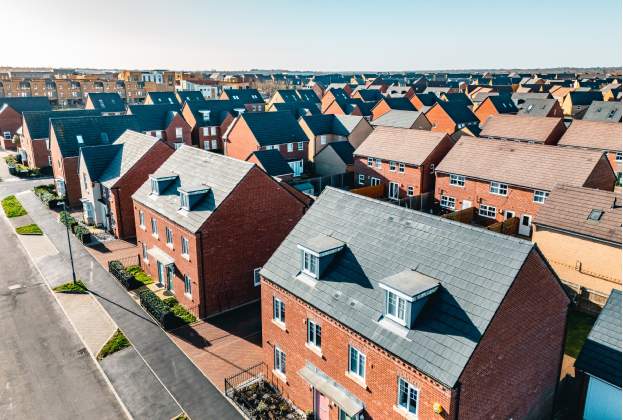
Following discussions around Bath and North East Somerset Council's emerging Local Plan, councillors have been grappling with how to meet increased government housing targets while preserving the character of one of Britain's most historic cities. Since the 2024 general election, housing targets for Bath and North East Somerset have increased significantly, rising from around 14,000 to 27,340 homes.

At the heart of the issue is UNESCO's recognition of Bath's setting within a "hollow in the hills", a description that forms part of the city's Outstanding Universal Value. Some councillors have argued that this designation makes it difficult to expand the city through new suburban development, particularly in locations that many consider the most logical places for future growth.
 

Will Bath relinquish its UNESCO status?

Comments made during discussions on the city's growth and housing needs prompted media reports suggesting Bath could temporarily relinquish its UNESCO status in order to amend the wording and potentially reapply in the future. The suggestion immediately attracted considerable attention given the economic, cultural and reputational benefits associated with World Heritage designation.

However, Bath and North East Somerset Council has since moved quickly to clarify its position, emphasising the need to work collaboratively with UNESCO and its advisory bodies to identify ways of protecting Bath's heritage while also addressing pressing housing needs.


Is Bath the only city facing challenges for growth?

Bath’s predicament highlights growing tensions between successive UK governments and international heritage bodies.

Arguably the clearest example is the long-running dispute over the Liverpool Maritime Mercantile City World Heritage Site. For more than a decade, UNESCO and The International Council on Monuments and Sites (ICOMOS) repeatedly expressed concern that developments such as Liverpool Waters and, more recently, the Everton Football Club stadium would cause unacceptable harm to the site's Outstanding Universal Value. The government and Liverpool City Council generally took the view that regeneration and heritage conservation could be balanced. Ultimately, UNESCO removed Liverpool from the World Heritage List in 2021, citing "serious deterioration” and “irreversible loss of attributes” underpinning its Outstanding Universal Value.


Who decides where new housing should go?

Importantly, World Heritage Sites remain subject to the UK planning system. Planning decisions are made by local authorities, not UNESCO. However, the UK government, as the State Party to the World Heritage Convention, is responsible for ensuring that internationally significant heritage assets are appropriately protected. The Bath debate therefore raises broader questions about how local growth aspirations, national housing policy and international heritage obligations can be reconciled.

As the Local Plan progresses, Bath may become an important test case for how World Heritage Sites balance conservation, housing delivery and sustainable growth in the twenty-first century.


About the author

George Duffield is Senior Consultant for Heritage and Townscape at Savills, advising on the management and development of heritage assets and their settings, producing Heritage Statements and Townscape Visual Impact Assessments to support planning and listed building consent applications


Recommended articles