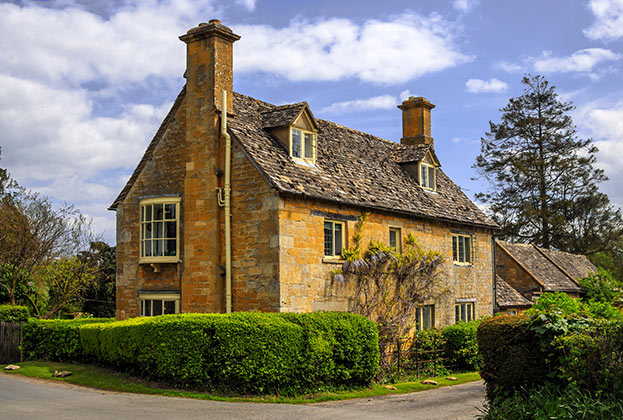
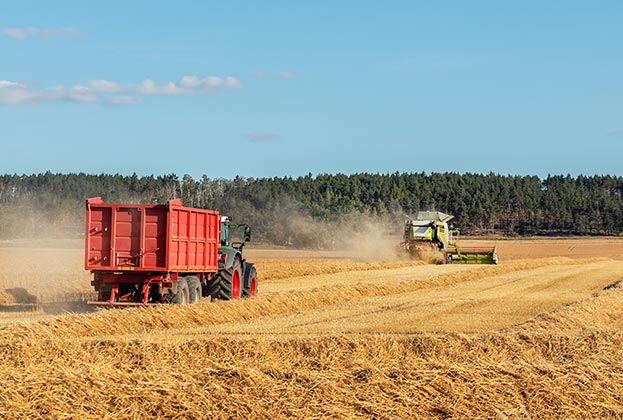
The picture is one of consolidation. Business structures and production systems are being reviewed, often resulting in the sale of machinery, off-lying acres and, in some cases, the farm itself.
The UK’s farmland market continues to go through a period of transition, shifting from a pre-Brexit Common Agricultural Payment system to a “public money for public goods” approach.
Against this backdrop, farmers and landowners across the UK are reassessing their business strategies and seeking ways to generate additional income. Land needs to deliver sufficient profit to support both income and reinvestment, which has opened the door to alternative land uses.
Savills report Spotlight: The Farmland Market indicates that over the past decade, institutional and corporate buyers have become more active in the market, purchasing land for a range of reasons including farming (58%), as an investment or to pursue development opportunities – sometimes very long term (21%), or for afforestation and the provision of environmental services (5%).
Purchasers are increasingly exploring alternative land uses that offer higher returns or greater potential for capital appreciation. Here are some emerging land uses driving the farmland market:
Development opportunities
Property development is a major opportunity and driver in the farmland market. Achieving full planning consent for a residential development could increase land value 35-fold relative to baseline arable land values, but such opportunities are geographically specific and typically take 12-15 years to realise. In recent years, the number of development consents has declined, with the number of residential units granted planning permission dropping by 40% since 2021. This has led to fewer sales of development land, which has a knock-on effect on the farmland market. Sellers of development land often reinvest into agricultural land to defer capital gains tax, so reduced development activity can restrict flows into the farmland sector.
The National Planning Policy Framework (NPPF) is currently under consultation, and the government has ambitious housing targets that could help boost development land sales. Typically, demand for farmland is stronger near development hotspots, driving competition and higher prices.
Nature markets and BNG
Biodiversity Net Gain (BNG), which became mandatory in England for major developments in 2024, is now an established market, with over 1,400 off-site units allocated to development projects. BNG provides landowners with the opportunity to generate long-term income by enhancing or creating habitats, such as woodlands, wetlands, or meadows.
The Planning and Infrastructure Act introduces a Nature Restoration Fund in England, implementing measures to enhance our environments, natural habitats and wildlife. This aims to deliver more sustainable development while unlocking new opportunities for nature recovery, and is reshaping how land is valued.
Woodland creation stands out as a commercially attractive land‑use option because demand is rising for carbon credits, biodiversity benefits, and sustainable timber. In addition to these market drivers, government policy actively encourages woodland expansion. Financial support is strong: for example, the England Woodland Creation Offer provides upfront capital grants to establish new woodland, plus annual payments of £400 per hectare for 15 years.
In Scotland, the Forestry Grant Scheme provides funding for creating and managing woodlands, with different option types depending on the size and species. Smaller projects fall under the Woodland Creation Planning Grant, which provides up to 50% of capital value up to £40,000. Together, these incentives make woodland creation a financially viable opportunity for many landowners.
Farm diversification
Alongside environmental and development opportunities, farm diversification continues to expand as a strategic response to changing market conditions. According to Defra, 72% of farm businesses in England had some diversified activity in 2024/25, which is up from 10% in 2015.
Agritourism, farm shops and holiday accommodation, for example, are increasingly viewed as an emerging market, driven by growing demand for authentic rural experiences and sustainable tourism. Diversification allows landowners to create additional revenue streams and strengthen long-term business resilience.
What does this mean for the farmland market?
The farmland market is being increasingly influenced by environmental regulation and development opportunities. Land is not only valued for what it produces, but also for strategic advantages and public goods.
Although interest from environmental buyers is growing, land purchases for environmental purposes still account for a relatively small proportion of the overall market. Across all buyer types, purchases for environmental uses represented just 1% in 2025, down from a peak of 7% in 2023.
As these land‑use opportunities become more widespread and the market continues to adapt, competition for suitable land is likely to intensify, driving prices upward.
All of these emerging land opportunities – from development prospects to nature markets – highlight the increasingly complex demands on UK land. Defra’s recently published Land Use Framework acknowledges this growing demand and emphasises the need for ‘smarter’ land use decisions, focusing on how we can use land in an efficient and multi-functional way.
Farmers and landowners need to identify which opportunities suit their land and align with their long‑term goals. For investors, the priority is to recognise how these shifts are reshaping value drivers, and to consider where future demand, policy incentives and natural capital opportunities are strongest.
.jpg)
.jpg)